

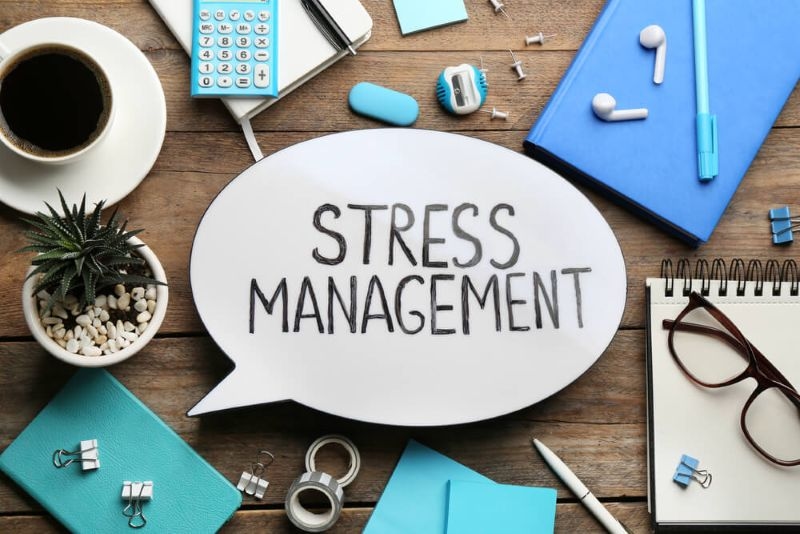
In today's modern world, it's easy to assume that stress is an accepted part of many women's lives. Work, family, finances, relationships, communication breakdowns, or even the latest technology can lead to quick emotional exhaustion. Short-term stress is a common experience for all humans, but chronic stress may negatively impact a woman's emotions, sleep, health, and overall well-being.
According to the American Institute of Stress, almost 77 percent of all people complain regularly of the physical symptoms that stress can bring. Moreover, in many wellness surveys taken worldwide, women admit to more emotional stress than their male counterparts.
Fortunately, stress management techniques don't require avoiding all stressful situations. It’s about finding an effective, safe way to handle pressure. Let's explore stress-management techniques for women, useful relaxation methods and activities, and simple mental health tips to help maintain emotional balance.
The practice of managing life stresses and pressures through positive, useful methods and behaviors is called stress management. It allows a person to achieve an emotionally stable state, rather than letting stress take over their emotional system.
Healthy stress management habits:
Research confirms that consistently practicing positive stress management habits makes a person less prone to the harmful effects of stress and, as a result, leads to a more enjoyable and rewarding life.
Chronic stress poses long-term damage to both mental and physical health. It can be a contributing factor to anxiety, sleeplessness, tiredness, emotional exhaustion, high blood pressure, and difficulty focusing. Harvard Health research proves that when chronic stress isn't managed, immunity will weaken and have an adverse impact on emotional stability.
Helpful stress-management techniques may:
For women who practice stress management, there can be improved emotional balance, more resilience, and a better outlook on life.
To manage stress effectively, you first need to pinpoint your stress triggers. Many women deal with more than one form of stress at a time.
The most common stress causes include:
An emotional wellness report released in 2025 found that over 60 percent of women feel mentally exhausted due to the multitude of tasks they often juggle on a day-to-day basis. Unmanaged stress may also gradually increase over time due to an unhealthy routine, overly high expectations, or emotional exhaustion.
Mental health experts recommend that all people utilize the 4 A's of stress management, particularly when learning more about dealing with life’s stresses and building stronger emotional coping skills:
Some things in life are just not worth the mental strain. Avoiding certain things that cause stress can involve removing oneself from an abusive or negative relationship, saying no to extra responsibilities that aren't in the best interest of well-being, and decreasing engagement with emotionally taxing situations.
Stress management techniques don't just involve avoiding triggers. Even small changes in a situation that causes stress can make a big difference in how it impacts your well-being. Effective changes include managing your time better, breaking tasks down, asking family or friends for help, and communicating your needs to others.
Sometimes, no matter what we do, life will throw stressful situations after stressful situations at us. A shift in how you view the stressors may improve your overall well-being. Practicing gratitude, reducing perfectionism, and focusing on the task at hand rather than your stress level can help alleviate stress.
This isn't easy for anyone, especially given how much humans try to manage every little aspect of life. However, you will save yourself much frustration by accepting those aspects beyond your control. Once you've accepted those things, you can then focus on aspects that you can control, like your reaction to the circumstances.
Stress-management techniques often provide significant help when dealing with various levels of emotional stress. Relaxation strategies that can aid women in improving mental well-being and helping to alleviate anxiety include:
Physical exercise is also beneficial. Exercise releases cortisol, a stress hormone, while also boosting endorphin levels, which contribute to positive mood and happiness. The Anxiety and Depression Association of America stated that only 20-30 minutes of exercise per day could greatly benefit the mental health of women and decrease stress.
Another key factor in stress management is sleep. When adults do not get enough sleep, they generally report more stress than their well-rested counterparts. In order to get more sleep and decrease stress, try implementing these strategies:
Support from friends and loved ones also contributes to better mental health. Friends and family are an excellent source of advice and support. These people will increase mental toughness by decreasing a person's feeling of isolation.
Stress is an inevitable aspect of life. Fortunately, with effective stress management techniques and healthy habits, it doesn't have to become a chronic issue. By applying a healthy dose of knowledge, realistic coping mechanisms, and awareness of what stresses women and the role they play in society, they can overcome all kinds of life challenges.
In this article, we have gone over what stress management is, its benefits to a woman’s life, common stress factors affecting women, effective ways women can help combat stress using the 4 A’s, and practical coping techniques women may use.
Remember, stress management shouldn't be about being perfect or never feeling stressed. It is about recognizing when one needs help, accepting that life has its challenges, and developing new, healthy ways to tackle them and prioritize emotional and mental well-being.
Yes, long-term, chronic stress may negatively impact one’s physical health. Excessive stress can contribute to headaches, digestive problems, weakened immunity, and chronic sleep difficulties, and it will take a toll on your body. Long-term emotional stress can even contribute to conditions like heart disease and emotional burnout if stress management is not put into practice.
Yes, negative coping mechanisms can lead to increased stress over time. Relying on things like emotional eating, spending excessive time on social media, or ignoring a problem may provide temporary relief. It can help a person in the short term, but it will exacerbate fatigue and prolong mental stress over time. Turning to positive outlets, such as journaling and interacting with friends, would be a more effective route to positive results.
Visiting a therapist is entirely up to each individual. If someone realizes they need medical attention and their condition is untreatable at home, it is better to visit a healthcare professional. A therapist can help when the stress one is facing affects one's sleep, mental state, relationship(s), and/or job. Seeking professional help can result in gaining coping mechanisms to effectively overcome mental and emotional strain.
This content was created by AI