

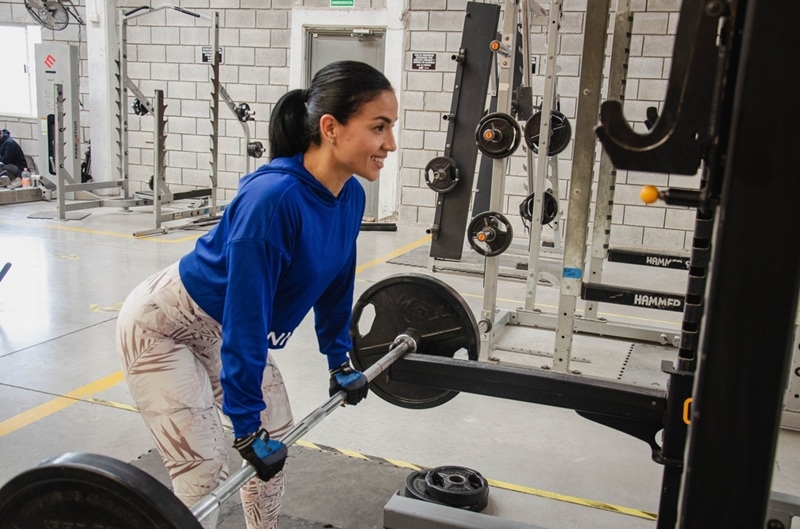
Some mornings begin with good intentions. The alarm rings, the workout clothes are right there, and the plan sounds simple enough. Then life starts talking. Work messages come in, the kitchen needs cleaning, the body feels stiff, and suddenly exercise becomes “later.” Later, of course, turns into tomorrow.
That is where fitness motivation gets tested. Not on the easy days, but on the ordinary, messy ones. Most people do not struggle because they lack discipline. They struggle because their plan does not fit their real life. It asks too much, too soon, and then makes them feel guilty when they cannot keep up.
A better fitness plan should feel repeatable. It should leave room for tired days, busy weeks, low moods, and slow progress. Because consistency is not built by one perfect workout. It is built by coming back, again and again, even in small ways.
Strong fitness motivation usually starts with a reason, but it survives through routine. A person may begin exercising because they want more energy, better strength, weight control, improved mood, or simply fewer aches. That reason matters. Still, motivation alone will not carry every workout.
A realistic workout routine gives the body and mind something familiar to follow. It reduces the daily argument of “Should they exercise today?” and turns movement into a normal part of life. The routine does not need to be intense. It needs to be possible.
For some people, that means 20 minutes before breakfast. For others, it means walking after dinner, lifting weights three times a week, or doing yoga on the living room floor. The best routine is the one that can actually be repeated.
A big fitness plan can feel exciting for the first few days. One hour daily. No excuses. Full meal prep. Early sleep. New shoes. New bottle. New personality, almost.
Then the first busy day arrives.
Starting small is less glamorous, but it works better. A person can promise themselves ten minutes of movement. That may be a walk, stretching, squats, light dumbbells, or a short beginner video. Ten minutes feels too small to fail, and that is the point.
Small promises help build exercise habits without scaring the mind away. Once the person proves they can show up, the routine can grow naturally.
A beginner can try:
Small movement still counts. It counts more than waiting for the perfect one-hour workout that never happens.
Not everyone loves the gym. Not everyone enjoys running. Not everyone wants to follow loud workout videos with someone yelling “one more rep” through the screen. And that is fine.
Exercise becomes easier when the activity feels at least a little enjoyable. A person can lift weights, swim, cycle, dance, hike, do Pilates, join a class, play tennis, walk the dog, or train at home. There is no single correct way to move.
The easier it feels to begin, the more likely a person is to keep staying active. Enjoyment is not a luxury. It is part of consistency.
A workout can still feel challenging, of course. But if the person hates every second of it, the routine will probably not last long.
A new habit becomes easier when it attaches to an old one. This can be very simple. After brushing teeth, stretch for five minutes. After coffee, walk around the block. After work, go straight to the gym before sitting down. After dinner, take a slow walk.
This helps anyone wondering how to stay motivated for daily exercise routine because it removes some decision-making. The workout no longer floats around the day, waiting to be forgotten. It gets a place.
The brain likes patterns. When exercise happens after the same daily action, it slowly begins to feel automatic. Not always easy, no. But less negotiable.
“Get fit” sounds nice, but it is too vague. What does it mean tomorrow? What should the person do next week? How will they know they are improving?
Clear goals make the path easier. A person might aim to walk 7,000 steps a day, complete three strength sessions a week, stretch every morning, train for a 5K, or do 15 pushups without stopping.
A good workout routine should have a goal that feels personal, not copied. One person may want better stamina. Another may want to carry groceries without feeling tired. Someone else may want to feel stronger after years of sitting at a desk.
Fitness can be measured in many ways:
These goals feel connected to real life. That makes them easier to care about.
Progress can be hard to notice day by day. That is why simple tracking helps. It shows the person that effort is adding up, even when results feel slow.
Tracking does not need to become obsessive. A calendar mark, a short note, a step count, a workout log, or a weekly photo can be enough. The goal is awareness, not pressure.
This supports exercise habits because the person gets proof. They can look back and see that they moved four days this week, lifted a little more weight, walked farther, or felt better after workouts.
The scale is only one piece of information. It is not the whole story. Strength, stamina, mood, sleep, posture, and confidence matter too.
Nobody feels motivated all the time. That is why the environment should do some of the work.
If workout clothes are buried in a drawer, shoes are missing, and the water bottle is dirty, skipping becomes easier. If everything is ready, starting feels less annoying.
For people focused on staying active, the setup matters more than they think. A pair of walking shoes by the door can lead to more walks. A yoga mat in sight can lead to stretching. A packed gym bag can stop the after-work excuse.
Small preparation removes friction. And sometimes, that is all the person needs.
A boring workout is harder to repeat. Music helps. So do podcasts, audiobooks, workout classes, or walking with a friend.
Some people save a favorite podcast only for walks. Others create a playlist that makes exercise feel less dull. Someone may join a class because being around people gives them energy. Another person may prefer total silence and a quiet trail. Different things work for different people.
This is a practical answer to how to stay motivated for daily exercise routine. Make the routine less boring. Make it feel like something the person gets to do, not only something they must do.
Exercise does not need to be entertainment every minute. Still, adding one enjoyable element can make showing up much easier.
The Monday restart can become a trap. A person misses a workout on Wednesday, eats differently on Thursday, skips Friday, and decides the week is ruined. Then everything waits for Monday. Again.
That thinking causes more damage than the missed workout itself.
A better rule is simple: return at the next possible chance. No punishment workout. No guilt speech. No dramatic reset. Just continue.
Consistency is not perfect attendance. It is the habit of returning quickly. One skipped workout is normal. A whole week lost to guilt is avoidable.
A person can:
Fitness should make life better, not turn every missed day into a personal failure.
Results take time. Effort happens now. That is why showing up deserves credit.
A person can feel proud of walking when they wanted to skip it, stretching after a long day, choosing movement during a stressful week, or returning after a break. These wins may look small from outside, but they build identity.
Slowly, the person stops thinking, “They are trying to become fit,” and starts thinking, “They are someone who moves.” That shift matters.
Rewards can help too. New socks, a relaxing bath, a good smoothie, a rest day, or a fresh playlist can make the process feel kinder. The reward should support the habit, not turn it into a cycle of punishment and compensation.
Exercise can start feeling more normal after a few weeks, but the timeline is different for everyone. A person’s schedule, stress level, sleep, fitness history, and chosen activity all matter. Short, realistic workouts usually become easier to repeat faster than intense routines that feel overwhelming. The goal should be rhythm first, results second.
If the tiredness is mild, a lighter session may help. A walk, stretching, or gentle mobility can keep the habit alive without draining the body. But if someone feels dizzy, sick, deeply exhausted, or sleep deprived, rest is the smarter choice. Listening to the body is part of long-term fitness, not a lack of discipline.
Yes, motivation can return, but it often comes after a person starts moving again. Waiting to feel fully ready may only delay the restart. A short walk, one beginner workout, or five minutes of stretching can rebuild confidence. The first goal is not to match old performance. It is simply to begin again without shame.
This content was created by AI