

These days, life moves incredibly fast, and the pressures and stresses from your work, home, social networking, or even just other people can quietly build up over time. It seems like most people struggle to stay relaxed, present, and emotionally balanced during their day, which is why mindful meditation can really be beneficial.
Instead of responding automatically to stress, it enables you to slow down, clearly identify your thoughts and reactions, and deal with things in a more aware and in control manner.
Many people believe that mindfulness has to be undertaken with long meditation sessions or absolute silence, and this is not necessarily the case. Here are some useful mindful techniques for an emotionally balanced life:
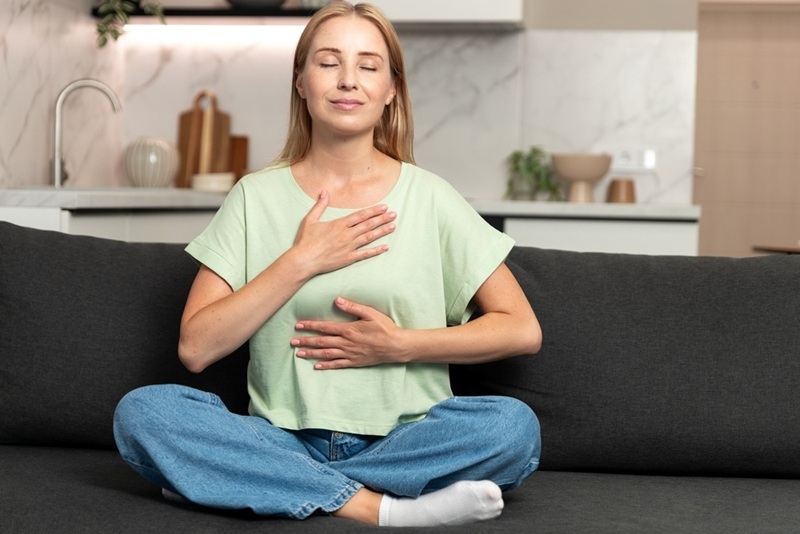
Mindful breathing is a very simple type of meditation and simply involves observing your breath without attempting to alter it. You should only notice the in-breath, the out-breath, and the rhythm in between, and gently bring your attention back to the breath whenever your mind starts to wander.
This type of meditation is particularly useful when things are stressful, as it means breathing will always be present. You can carry it out before an important meeting, during a heated argument, or even if you just start feeling anxious; even one minute can clear the head, and people using it regularly notice increased emotional control.
Emotions are not solely mental processes. Stress also manifests physically through tightly clenched jaw muscles, tension in the shoulders and jaw, headaches, or simply feeling tired. Body Scan meditation helps reconnect you to your body; it is performed by gently paying attention to various body parts from the feet all the way up to the head.
During this meditation, you observe feelings of tension in your body without judgment. There's no need to force yourself to relax, but instead acknowledge any tension you may be experiencing, which helps in emotional stress relief, as it's likely people carry stress in their bodies unbeknownst to themselves. This sort of practice, performed multiple times per week, is a really useful tool to use when relieving emotional stress.
A very important characteristic of some meditation techniques is that they don't need to be performed while sitting in complete silence. Walking meditation, unlike many other meditation forms, can be performed while you're moving about and allows you to clear your mind while you're getting from A to B. You're no longer worried about the destination but about the process itself.
Walking meditation is a fantastic tool if you have a hectic schedule and find that meditation takes up too much of your valuable time, as it can be performed just about anywhere; even a mindful stroll after a meeting or a brief walk in the park before or after work can dramatically change the way you feel. It can also help improve clarity, as the mind takes a break from stimulation overload.
Negative thoughts tend to build when a person's focus is primarily directed towards tasks and issues that haven't gone to plan, as well as future deadline issues. However, Gratitude Awareness redirects attention towards positive occurrences regardless of whether they're major or minor; writing a list of things for which you are grateful is one of the easiest ways to become more aware.
This is not to say that you should pretend things are not happening if they're negative, but rather helps achieve better balance, and the warmth of a meal, the support of friends, or the success of a task you have set yourself for the day are small reasons to remember that life also involves positive aspects.
Many beginners shy away from mindfulness, thinking they are "bad" at meditating. Mindfulness, however, is not about completely stopping your thoughts. Instead, it is about observing your thoughts without getting caught up in them. Beginner mindful techniques for daily life should be accessible and realistic enough to practice regularly.
One easy way to start is with observation: pick a daily activity that you do (e.g., drink a coffee, do the dishes, fold laundry) and try to focus your complete attention on the activity without thinking about what you have to do later or scrolling on your phone. A few moments of awareness each day may be more effective than long sessions on occasion.
Emotions are triggered before logic, and mindfulness techniques can be used to interrupt the automatic emotional response pattern. Mindfulness breathing techniques, grounding methods, and mindful pauses can help to quickly calm your nervous system.
If you find yourself feeling overcome with emotions, take a mindful pause: focus on five things you see, four things you can feel on your body, and three things you can hear. This technique can help to bring you out of your thoughts and into the present moment, and the more you use it, the less emotional burnout you will likely feel over time.
Another part of managing emotions comes in relationships. Arguments and misunderstandings often occur when listening is something to be done before you can speak again, and mindfulness can help to increase the feeling of being heard in your relationships.
By fully paying attention and practicing non-judgment and lack of interruption during conversations with others, you will foster stronger communication and avoid miscommunication by truly hearing what someone is saying before they have even finished speaking. This will improve not only your listening abilities but also your patience, empathy, and emotional awareness.
It's so easy for digital overwhelm and emotional burnout to kick in with so much technology and phones in use throughout the day. Mindfulness and mindful technology use over habitual use can help with this and bring emotional focus and balance. A few moments of mindful breathing before checking notifications, taking regular screen-free breaks throughout the day, and putting your phone away during meals are easy ways to limit unnecessary input from the digital world.
One of the most common reasons people stop practicing mindfulness is when they expect to feel instantly changed and calm after a few days. Mindfulness is something that you build through consistency, rather than something that you master all at once. A few minutes of mindfulness a day is more helpful than being forced to do longer sessions.
Some examples of sustainable mindful habits might be: five minutes of mindful breathing in the morning, a short mindful walk in the afternoon, and journaling about gratitude before bed. These small habits that you continue to do over the long term can be more powerful than intense, mindful habits that are overwhelming and therefore hard to follow.
The ultimate goal of mindfulness should not be to never feel an emotion. The goal of mindfulness should be to be aware of and respond to your emotions more effectively.
Mindful techniques for stress relief, far from being passing wellness trends, can provide concrete methods for improving awareness, patience, and control of your emotions through mindful breathing, walking meditations, gratitude journaling, and mindful listening.
Mindful techniques for beginners may not be easy and will not create an instant, perfect change in yourself, but they are sustainable methods that improve emotional balance and awareness when implemented daily.
For a short period, a new mindfulness meditator can try practicing for just three to five minutes a day. Practicing in short sessions is often easier and so more likely to happen on a regular basis. Over time, as the brain becomes more comfortable with attention, practice, and more prolonged meditations can be performed more naturally, rather than appearing as a task or effort.
Yes, mindful techniques can enhance your focus, emotional regulation, and reduce stress during your working hours. Practicing simple techniques like breathing, mindful walking, or grounding will make your nerves calm and will decrease mental tiredness on a busy or emotional work day.
They both go hand-in-hand, but they are not the same. Meditation is a structured practice for cultivating mindfulness, and mindfulness is the continuous practice of being aware, present, and mindful of all things happening in one's mind, environment, body, and experiences around them without criticism.
Breathing mindful technique is usually the simplest and easiest habit to follow per day. This practice does not need any instruments and can be practiced anytime, anywhere. Simply focus on your breathing for a minute or two if you find your mind agitated, and you will feel your emotional awareness improve and feel better and calmer.
This content was created by AI