

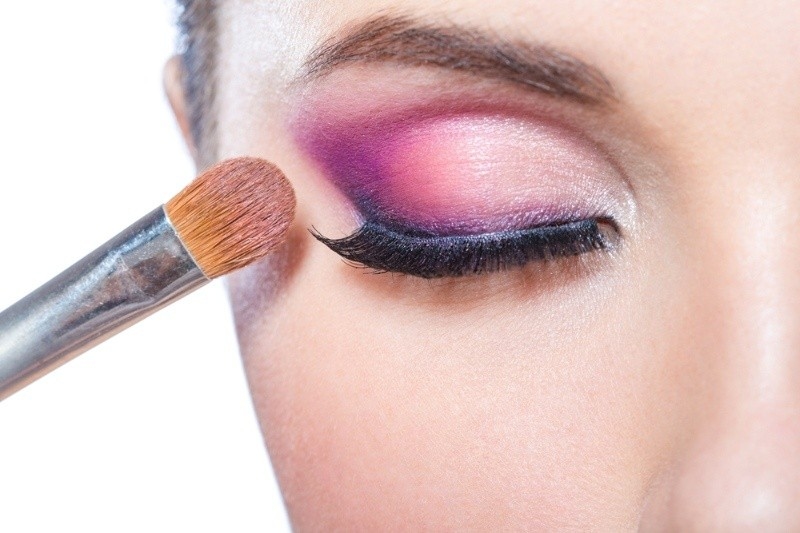
Eyes can change a whole face. Not always because of size either—sometimes it’s just placement of light, lashes, and shadow. A few tiny makeup shifts make tired eyes look awake in five minutes. Bigger. Cleaner. Less heavy. You don’t need dramatic glam or thick eyeliner anymore; actually, that often makes eyes look smaller. Softer tricks work better now. Nude pencils, curled lashes, lifted shadow placement, and brighter corners. Small details.
A lot of people keep repeating old makeup rules that don’t really help. In this blog, you’ll read practical ways to make eyes look naturally bigger using simple products, better placement, plus easy techniques that don’t feel overdone.
Most good eye makeup tips are really about illusion. Makeup can pull the eye upward, widen the shape, and fake depth—all without heavy products. The trick is restraint. Too much liner, dark shadows everywhere, thick lower kajal. It shuts the eye down.
Dark circles pull attention downward. Even beautiful makeup looks dull when the under-eye area looks shadowy. Use a lightweight concealer slightly lighter than your skin tone, mainly around the inner corner and under the eye. Don’t drag it too low.
A brighter base reflects light upward. Eyes look fresher immediately. Bigger too. Beauty artists use this constantly because it changes the structure of the face visually.
This sounds basic, but most people barely curl lashes correctly. Press once at the root, once at the middle, then lightly near the tips. That rounded lift matters more than thick mascara.
Straight lashes throw shadows over the eye. Curled lashes expose more lid space, so the eyes appear wider. Instant difference, honestly.
Heavy mascara everywhere can make small eyes look crowded. Focus more product on the outer lashes instead. Wiggle the wand upward instead of sideways.
Length helps more than thickness here. A stretched lash shape creates lift and gives a softer almond-eye effect without looking too dramatic.
Dark, smoky eyes have their place. But for everyday makeup, lighter shades usually create more openness. Reflective colors bounce light forward, making the eye area appear larger. Flat dark lids absorb light instead.
Champagne, beige, taupe, soft peach, and light pink. These shades quietly open the eyes without looking obvious. They also work on nearly every skin tone.
A pale shimmer pressed lightly at the center of the lid catches movement when you blink. That tiny reflection creates dimension.
You still need shape, though. Otherwise, eyeshadow can look flat.
Use a matte brown or soft taupe slightly above the crease—especially if you have hooded eyes. This creates fake depth and makes the eye socket appear larger than it actually is. Makeup artists do this constantly for editorial looks.
Tiny step. Big payoff.
Tap a pale shimmer or satin highlighter into the inner eye corners. Suddenly, the eyes look awake even if you slept badly. It also creates separation between the eyes, giving a wider appearance overall.
Some people use white shimmer. Soft champagne usually looks more natural.
Certain techniques keep showing up because they work. Not trendy — just reliable. These are the little placement tricks that quietly change eye shape.
Black liner inside the eye closes the shape. Nude or soft beige does the opposite. It brightens the whites of the eyes and creates an open effect immediately. White liner works too but can look harsh in daylight. Nude blends better with natural makeup. Easier to wear daily.
People think a thicker liner means bigger eyes. Usually, the reverse happens. A very thin line pressed close to the lashes defines the eyes without stealing lid space. Add a tiny flick upward at the outer edge. Nothing dramatic. Just enough lift.
Tightlining means applying eyeliner between the upper lashes rather than above them. It darkens the lash base subtly, making lashes appear fuller while keeping the lid open. This works really well for hooded or small eyes because it doesn’t eat up visible eyelid space.
Makeup helps, but prep matters too. Puffy skin, dry lids, messy brows — they change the final effect more than people expect.
Brows frame the entire eye area. Thick, messy brows pulling downward can make eyes appear heavy. Over-thin brows look strange, too. The best shape usually follows a soft upward angle with a lifted tail. Fill sparse areas lightly, then brush upward using clear gel.
Cold spoons. Ice rollers. Chilled eye patches. All clichés, maybe, but they help. Puffiness hides the natural eye shape and shortens visible lid space. Depuffing first makes makeup sit better, plus your eyes naturally appear more open.
Heavy glitter can emphasize texture around the eyes, especially under harsh lighting. Soft satin finishes or finely milled shimmer usually look fresher and more flattering. Less messy too.
Bigger-looking eyes rarely come from piling on makeup. Usually, it’s the opposite. Softer liner, lighter shadow, lifted lashes, brighter corners — those details work because they create space and light around the eyes instead of covering them. Makeup looks fresher when the eye area feels open. You also don’t need every trick at once. Sometimes, curling lashes plus nude liner is enough. Other days, maybe just a soft shimmer and brushed-up brows. The best eye makeup never looks forced anyway; it just makes your face seem more awake, balanced, and brighter naturally.
Absolutely. Just dab some bright concealer in the inner corners, curl your lashes, and swipe a nude liner on your waterline—it instantly cuts the sleepy look. A bit of soft shimmer on your lids bounces light around and makes your eyes look a lot fresher, even after you’ve barely slept.
Go for a lengthening formula instead of super-heavy volumizing mascaras. Thick stuff tends to weigh lashes down and can crowd your eyes. Waterproof formulas keep your curl in place longer, especially if your lashes usually point downward.
Sometimes they do—it really depends on the style. Wispy lashes with longer ends give your eyes a lifted, wider vibe. If you grab some thick, dense lashes that cover your whole lid, they might actually hide your eyes. Lightweight, fluttery styles almost always look most natural.
Honestly, mixing both works way better. Matte gives depth, while shimmer reflects light and opens things up. Too much glitter can highlight texture, especially if your skin is mature. Satin or finely milled shimmer usually looks clean and bright without settling into lines.
This content was created by AI